
Your Hips Are the Boss of Your Body — Here’s How to Keep Them Happy
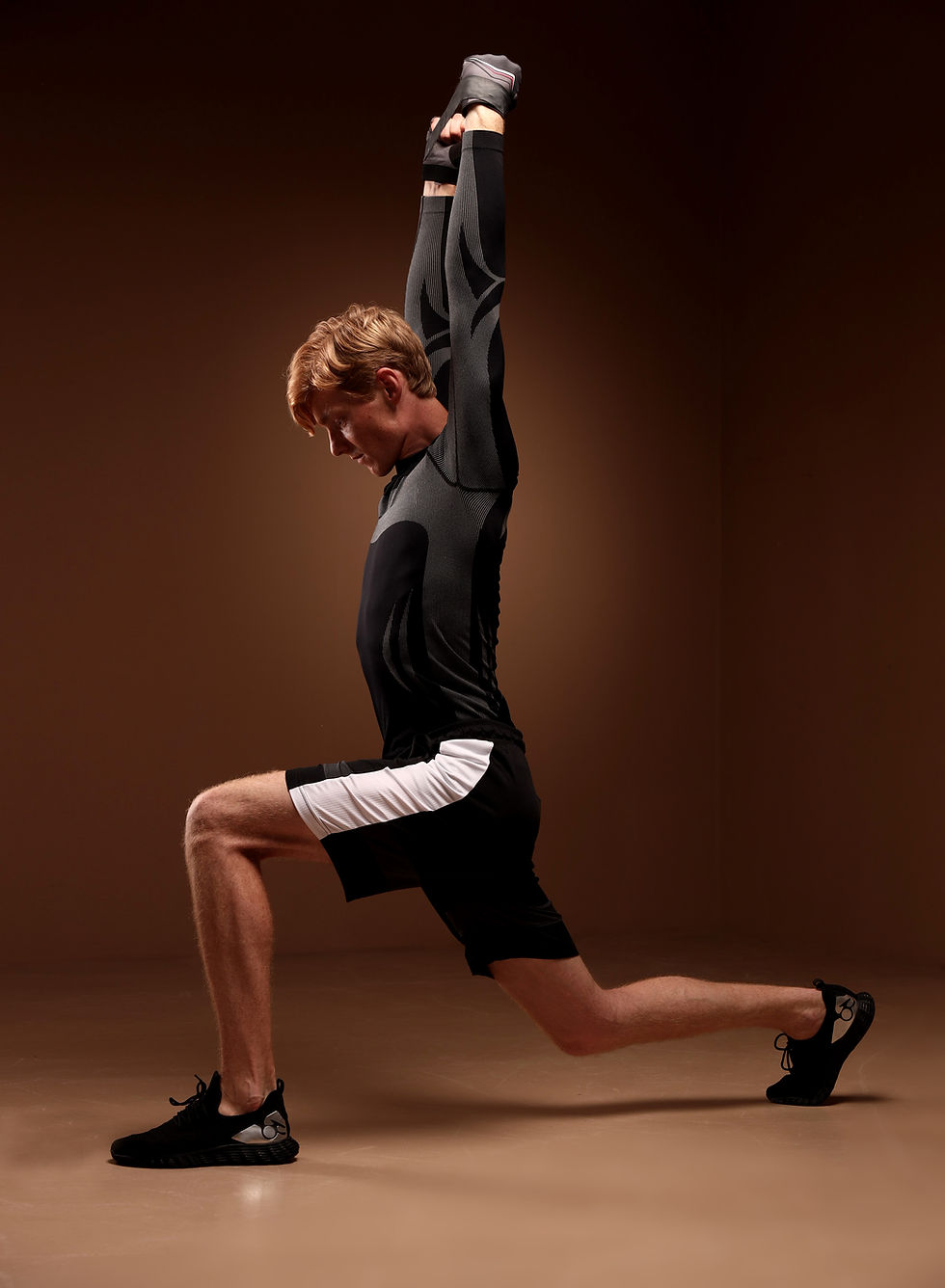
If your knees ache, your back feels stiff, or your running stride feels “off,” there’s a good chance your hips are involved—even if they’re not where the pain shows up.
At Nashville Physical Therapy & Performance, we often tell patients: the hips are the boss. They influence how you walk, lift, run, sit, stand, and age. When hip mobility or strength starts to slip, the rest of the body quietly picks up the slack—until it can’t anymore.
Understanding how to care for your hips is one of the most important things you can do for long-term movement, joint health, and pain prevention.
Your Hips Are the Boss of Your Body — Here’s How to Keep Them Happy:
Why the Hips Matter So Much
The hips sit at the center of the body and serve as a major force-transfer station between the upper and lower body. Every step you take sends load through the hips—often several times your body weight.
Healthy hips help:
Absorb and distribute force efficiently
Protect the knees and low back
Maintain balance and stability
Support strong, confident movement
When hip function declines, other joints pay the price.
Common Signs Your Hips Aren’t Pulling Their Weight
Hip dysfunction doesn’t always show up as hip pain. Some common clues include:
Knee pain during walking, running, or stairs
Low back stiffness or recurring flare-ups
Difficulty standing up from a chair
Shortened stride length
Reduced balance or confidence on one leg
Often, these symptoms are blamed on “aging,” when the real issue is reduced hip mobility or strength.
Mobility vs. Strength: You Need Both
Healthy hips require a balance of mobility (the ability to move through range) and strength (the ability to control and load that range).
Common issues we see:
Adequate flexibility but poor strength and control
Strength without sufficient joint mobility
Asymmetries between sides that go unnoticed
Stretching alone rarely solves hip problems. Strength training alone can miss key restrictions. Physical therapy addresses both, together.
The Hip–Spine–Knee Connection
The body works as a chain, not isolated parts.
When hip mobility is limited:
The low back often moves too much
The knees absorb forces they weren’t designed for
Movement patterns become less efficient
This is why hip-focused rehab often improves symptoms in areas far from the hip itself.
Research consistently shows that improving hip strength and control can reduce knee pain, improve back symptoms, and enhance overall function.
Simple Ways to Support Your Hips Starting Today
While individualized care matters, a few universal habits support hip health:
Move often throughout the day (especially if you sit)
Load the hips through squats, hinges, and step-based movements
Train single-leg strength and balance
Address stiffness early, not after pain starts
The key is consistency—not intensity.
How Physical Therapy Helps Keep Your Hips “in Charge”
At Nashville PT, hip care starts with understanding how you move.
A PT assessment looks at:
Hip joint mobility
Strength and endurance of key muscle groups
Side-to-side differences
Movement patterns during daily and athletic tasks
Treatment focuses on restoring capacity—not just eliminating pain—so your hips can keep doing their job as the boss of your body.
Your Hips Are the Boss of Your Body — Here’s How to Keep Them Happy:
Why Hip Health Is a Long-Term Investment
Strong, mobile hips support:
Pain-free aging
Better balance and fall prevention
Continued participation in the activities you love
Confidence in movement
Loving your body means maintaining the systems that let it move well—not waiting until something breaks down.
Want to know how your hips are really functioning? Schedule a physical therapy evaulation at Nashville Physical Therapy & Performance for a one-on-one evaluation focused on keeping you moving well now—and for years to come.
References
Powers CM. The influence of abnormal hip mechanics on knee injury: a biomechanical perspective. J Orthop Sports Phys Ther. 2010.
Lewis CL, Sahrmann SA. Effect of hip position on hip joint forces during running. J Orthop Sports Phys Ther. 2009.
Reiman MP, et al. Hip function’s influence on knee and lower extremity injury risk. Sports Med. 2015.
Crossley KM, et al. Patellofemoral pain consensus statement. Br J Sports Med. 2016.
Neumann DA. Kinesiology of the hip: a focus on muscular actions. J Orthop Sports Phys Ther. 2010.


Comments